



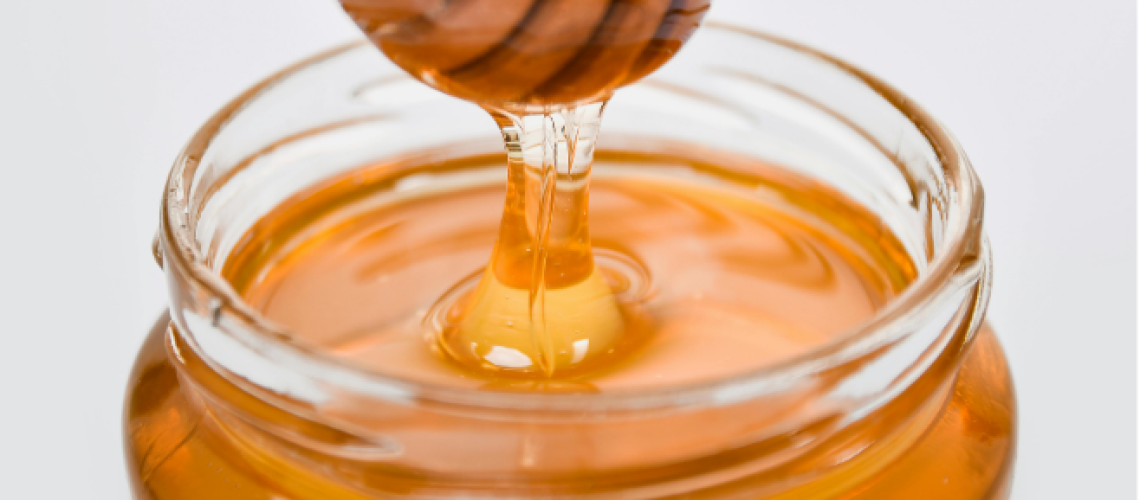

Honey is often praised for its natural soothing and antibacterial properties, but is Manuka honey a better choice for your dog than regular honey? The answer depends on what you hope to support.
 What’s the Difference?
Regular honey contains natural sugars, antioxidants and compounds with varying degrees of antibacterial activity. It may help soothe mild throat irritation when given in small amounts.
Manuka honey Manuka honey is a special type of honey made by bees that pollinate the Manuka bush, native to Australia and New Zealand. It is known for its antibacterial properties and is sometimes used in veterinary care. Its key distinguishing compound is methylglyoxal (MGO), which contributes to its antimicrobial activity.
 Understanding MGO Ratings
The MGO rating measures the amount of methylglyoxal in Manuka honey, expressed in milligrams per kilogram (mg/kg). Generally, a higher MGO rating indicates greater antibacterial activity in laboratory testing.
However, higher MGO doesn’t automatically mean better results for every condition. For wound care, choose a medical-grade product formulated for veterinary use rather than relying on the MGO rating alone.
 7 Potential Benefits of Manuka Honey for Dogs
1. May help fight bacteria
Manuka honey contains compounds with antibacterial properties. It may help inhibit certain bacteria, which is why medical-grade Manuka honey is sometimes used on wounds.
Important: Feeding it to your dog is not the same as applying medical-grade honey to a wound.
2. May soothe a sore throat or cough
A small amount of honey may temporarily soothe throat irritation and help ease a mild cough. However, coughing in dogs can have many causes, including kennel cough, heart disease and respiratory infections. Honey does not treat the underlying cause.
3. May soothe minor digestive irritation
Honey is sometimes promoted as a digestive aid, but strong scientific evidence is lacking that Manuka honey improves digestive health in dogs.
If your dog has vomiting, diarrhoea or ongoing stomach problems, consult your vet.
4. May help with wound healing
Manuka honey is particularly well known for its use in wound care due to its antimicrobial properties and potential to support healing. Vets may use medical-grade Manuka honey to help manage certain wounds, burns and skin lesions.
 Do not put ordinary supermarket honey on an open wound, as it is not sterile.
5. Contains antioxidants
Manuka honey contains antioxidant compounds that can help neutralise free radicals in laboratory settings. However, there is insufficient evidence that feeding Manuka honey provides meaningful antioxidant or immune-system benefits in dogs.
6. May encourage a dog to eat
Because it tastes sweet, a tiny amount may encourage some dogs to take medication or eat food. However, avoid using honey to disguise medication without checking with your vet, as some medicines should not be mixed with food.
7. May have benefits for certain skin problems
Medical-grade Manuka honey is sometimes used topically for specific skin wounds or lesions. However, it is not a proven treatment for allergies, chronic itching, hot spots (inflamed areas of skin that quickly worsen when dogs lick or scratch them) or other underlying skin conditions.
Which dogs should avoid Manuka honey?
Be particularly cautious if your dog:
- Has diabetes or problems regulating blood sugar.
- Needs to lose weight.
- Has pancreatitis or requires a restricted diet.
- Is a puppy with an immature immune system.
- Has a medical condition requiring careful dietary management.
- Never give honey containing xylitol, an artificial sweetener that is highly toxic to dogs. Check the ingredient list of any honey-based product.
You may also be interested in our blogposts on Eggs or Turmeric for dogs.
Shop our meals here