


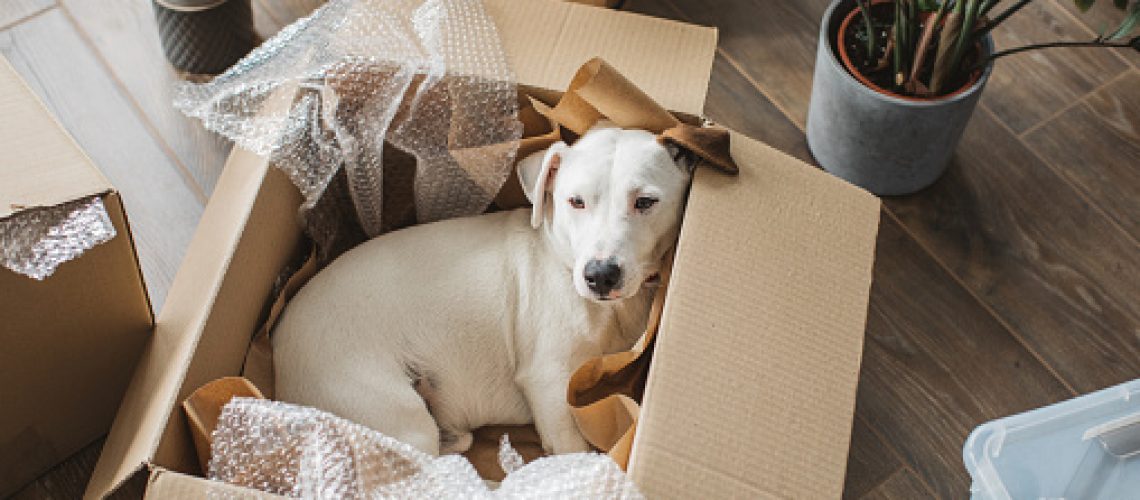

The first time we packed for a family holiday, our dog was uninterested and relaxed. But the second time…. he made the connection. If anyone left their suitcase open, he’d curl up on the clothes inside. At night, he started sleeping up against the front door. His family were going away, and he was worried he would be left behind (as if!).
Change might be a natural part of life, but it can be confusing, stressful, and even frightening for people, let alone your dog. Whether you’re moving house or packing for a holiday, here are some tips to help your dog transition smoothly.
1. Maintain Familiar Routines
Dogs thrive on predictability. Keep feeding times, walks, and play sessions as consistent as possible. Even when your life is hectic, these routines provide your dog with comfort and security.
2. Create a Safe Space
Provide a cosy and quiet area where your dog can retreat if they feel overwhelmed. This could be a crate, a favourite bed, or a corner of the living room with familiar toys and blankets that carry their scent.
3. Introduce Changes Gradually
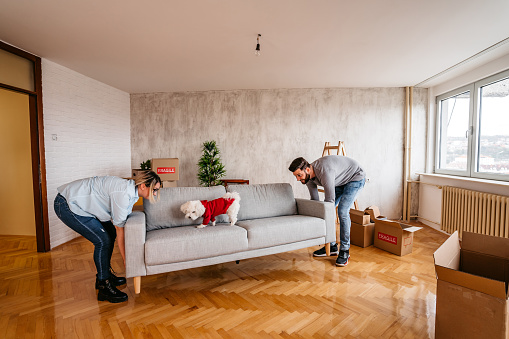
If at all possible, ease your dog into it. For example, if you’re moving house, let your dog explore the new home, and scents at their own pace before the full change happens.
4. Offer Reassurance and Positive Reinforcement
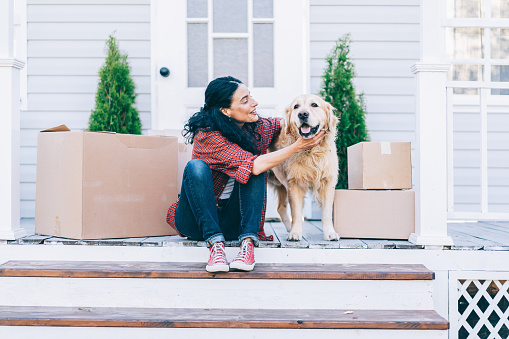
Spend extra time with your dog during transitional periods. Gentle pats, calm words, and treats can reinforce the idea that change isn’t something to fear. Reward calm behaviour to help your dog build positive associations.
5. Keep Them Mentally and Physically Stimulated
Regular exercise and interactive games reduce anxiety and release built-up energy. Mental enrichment like puzzle toys or scent games can help distract from stress and keep their mind engaged.
6. Set reasonable expectations for yourself.
If you’re moving house, you can’t reasonably monitor your dog’s emotional needs 24/7. You’re probably neglecting your own needs in order to get stuff done! If your dog needs a break from a hectic environment, do they like going to doggy daycare? or a neighbour? Give your dog (and yourself) breaks from all the activity if possible.
7. Seek Professional Advice if Needed
If your dog continues to show signs of anxiety—such as destructive behaviour, excessive barking, or withdrawal—consider consulting a vet or professional dog trainer for guidance and support.
Final Thought
Patience and consistency are key. With understanding and care, your dog will adjust and continue to feel safe and loved.
How’d it go? Share your stories and tips in the comments!